Where to buy
 Download
 Contact Us
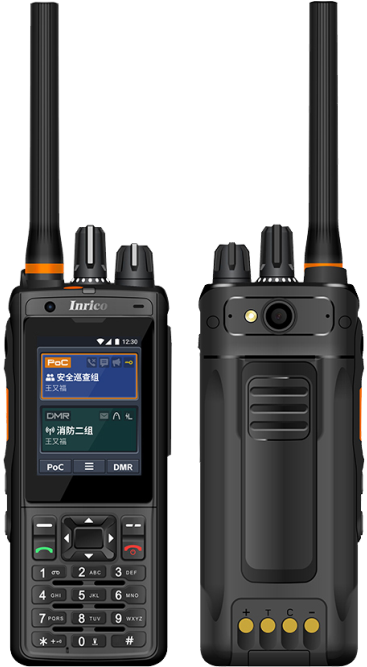
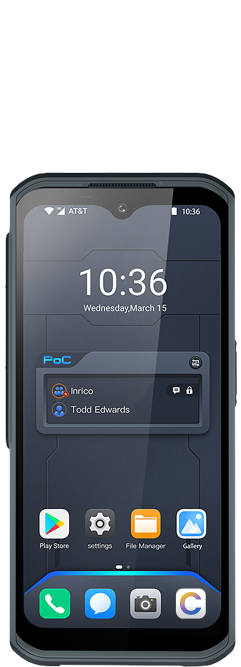
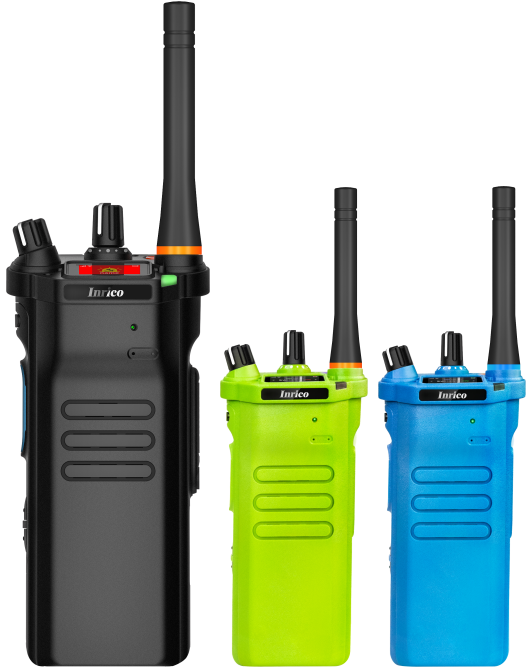
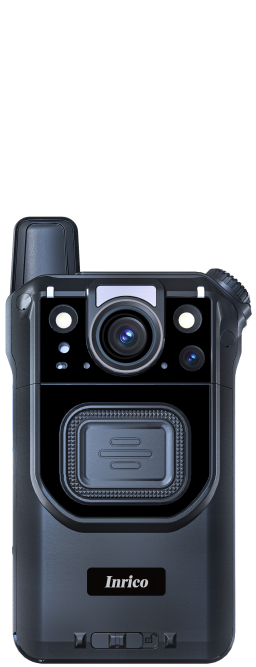
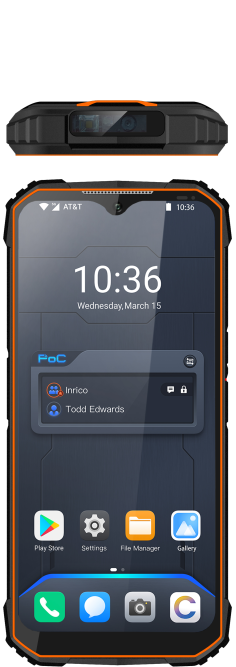
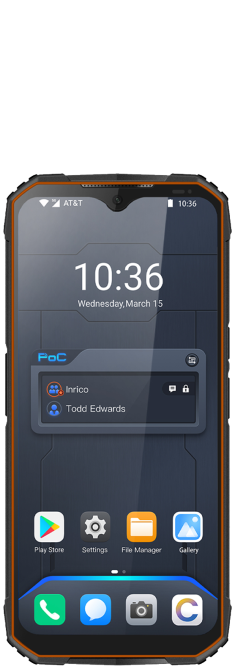
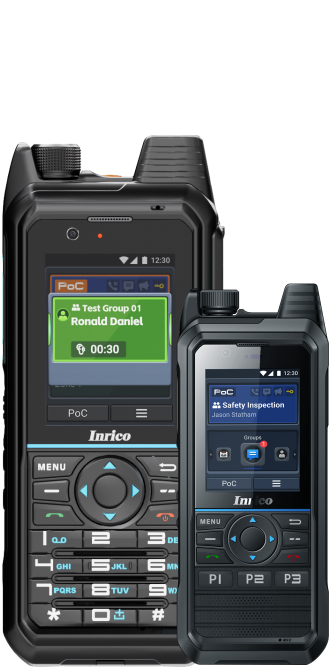


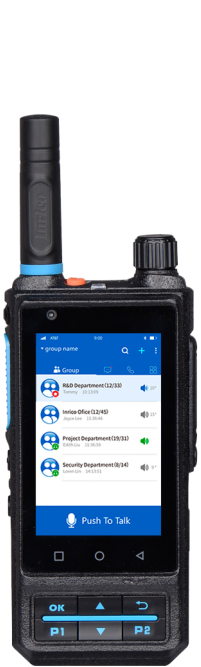

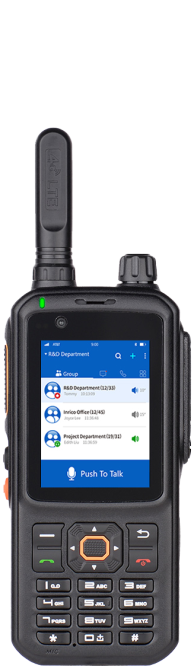
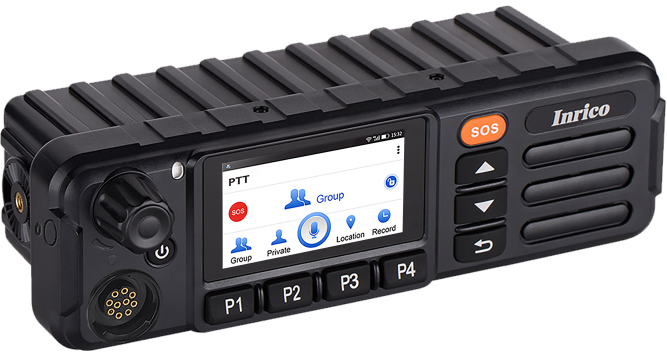
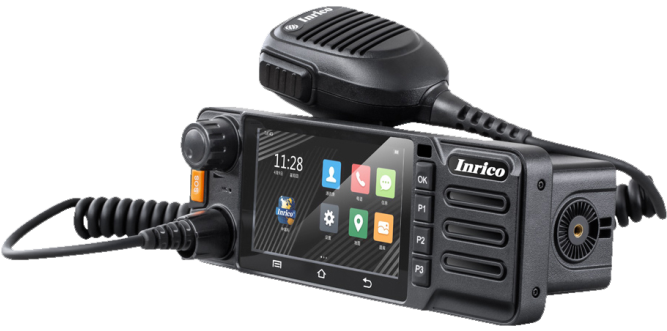
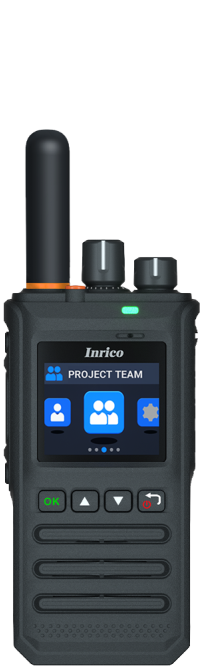
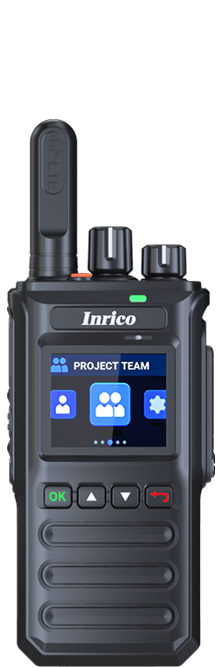



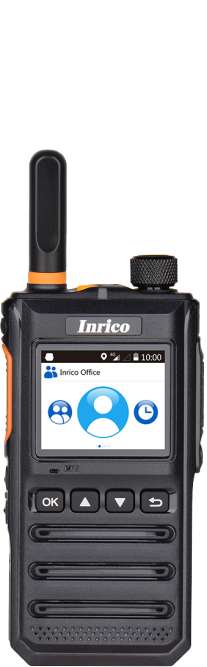
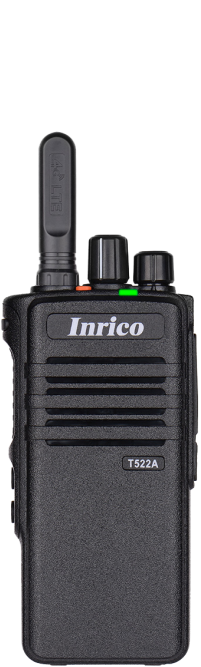
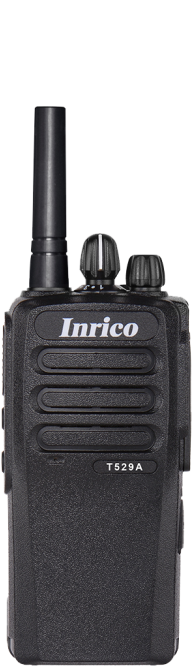
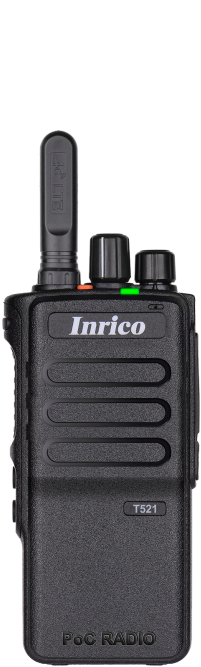
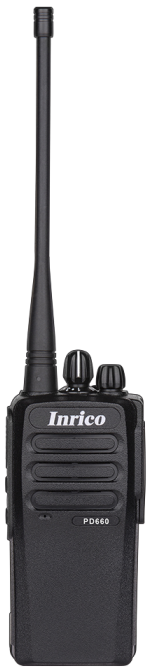
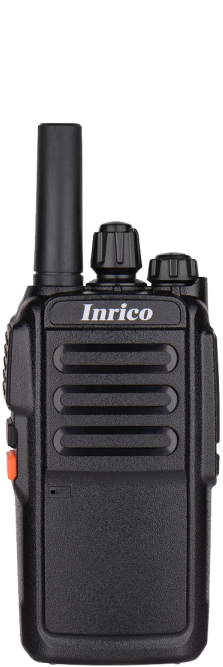

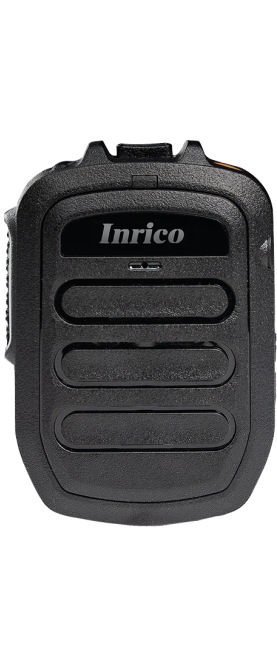
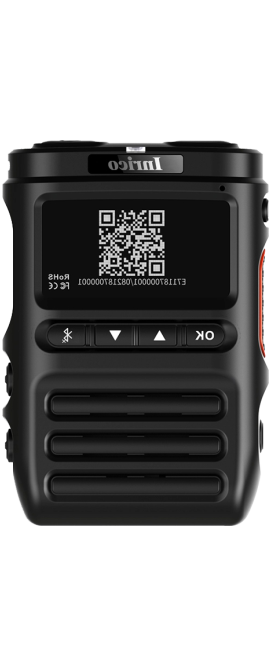
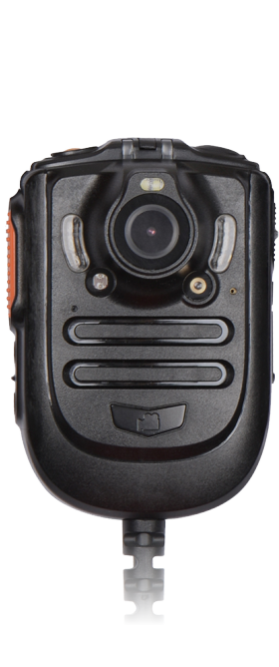
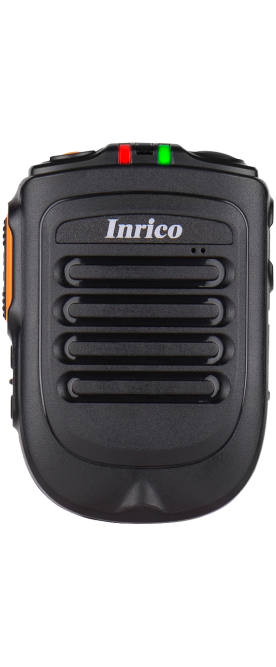






T330&T338
Rugged Smart PoC Radio
More




In today's fast-paced digital world, mobile connectivity plays a crucial role in how we communicate and conduct business. As technology evolves, so do the standards for mobile networks. Two terms that often come up in discussions about mobile technology are 4G and 4G LTE. Understanding the distinction between these two can greatly enhance our appreciation of mobile connectivity options available today.
What is 4G?
4G, or fourth generation, is a standard for mobile telecommunications that provides significantly faster data speeds compared to its predecessor, 3G. The primary goal of 4G technology is to support high-definition mobile TV, 3D TV, video conferencing, and other data-heavy applications. While 4G networks offer improved performance, they vary in speed and reliability depending on the specific technology used by different carriers.
What is 4G LTE?
4G LTE, or Long-Term Evolution, is a subset of 4G technology that offers even higher speeds and better performance. LTE is designed to provide faster download and upload rates, lower latency, and improved network capacity. It achieves this through advanced techniques such as OFDM (Orthogonal Frequency-Division Multiplexing) and MIMO (Multiple Input Multiple Output), which enhance the efficiency of data transmission. Essentially, while all 4G LTE networks are 4G, not all 4G networks are LTE.
Key Differences Between 4G and 4G LTE
One of the primary differences lies in speed. 4G networks typically offer speeds of up to 100 Mbps, while 4G LTE networks can reach speeds of 300 Mbps or more. This difference means that for applications requiring high bandwidth—such as streaming HD videos or using a 4G LTE PoC radio—LTE is the preferable choice.
Another significant difference is network performance. 4G LTE networks have better latency, which is crucial for real-time applications like video calls or online gaming. This reduced latency enhances the user experience, making 4G LTE the better option for those who rely on quick, reliable connections.
Lastly, compatibility plays a role. Devices designed to operate on 4G LTE networks are generally backward compatible with 4G networks. This means that users can enjoy the benefits of 4G LTE while still having access to older 4G networks when necessary.
Conclusion
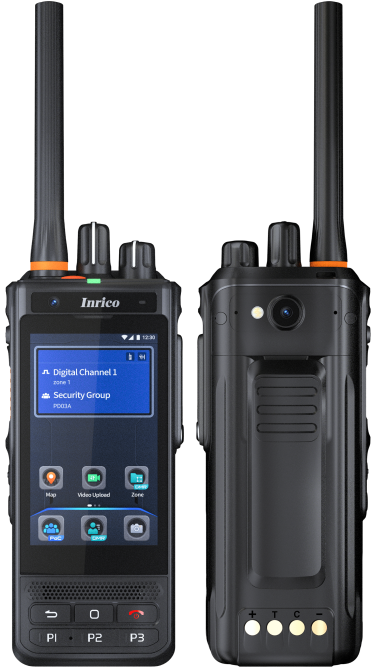
At Inrico, we understand the importance of staying connected in a rapidly evolving digital landscape. Our S380 Smart PoC Radio utilizes 4G LTE technology to provide exceptional performance for users in various sectors. With features like a customizable one-click toolbox and a front NFC function for quick operations, our Inrico PoC radio is designed to enhance productivity and streamline communication. As we continue to innovate in the realm of connectivity, we remain committed to delivering solutions that meet the demands of modern communication. Embrace the power of 4G LTE with Inrico!