Where to buy
 Download
 Contact Us









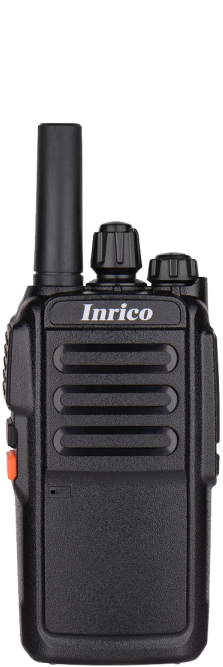

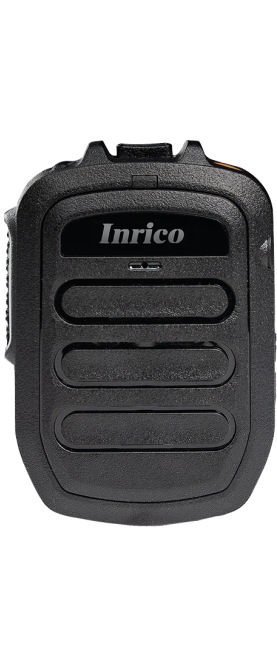
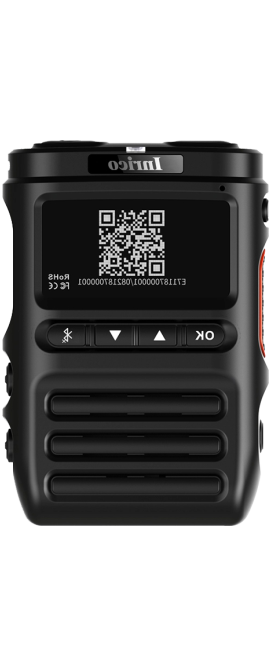

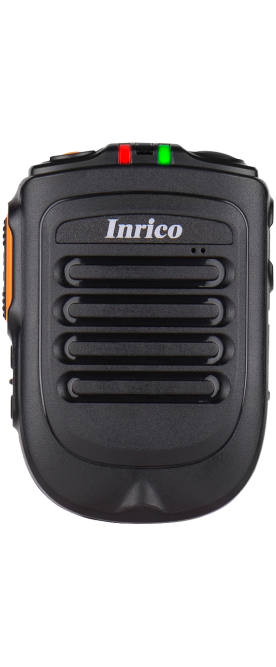






T330&T338
Rugged Smart PoC Radio
More




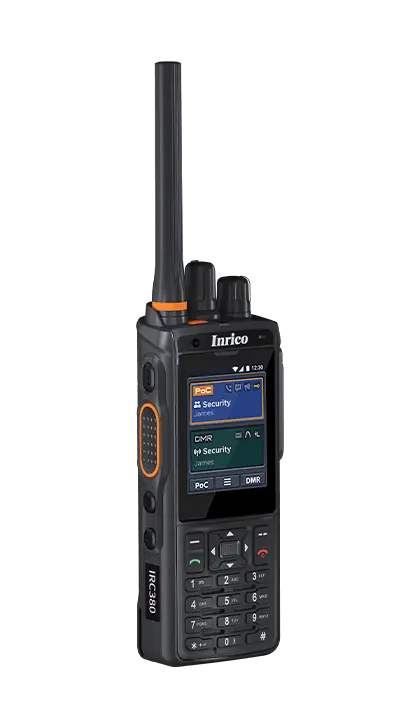
Communication reliability is crucial in modern operational environments. At Inrico, we often encounter questions about the difference between hybrid radio and DMR PoC radio. Both radios serve professional needs, but understanding their distinctions helps organizations choose the right solution for logistics, transportation, and public safety applications. Our IRC380 model exemplifies how a smart hybrid radio can merge the advantages of both systems while delivering rugged performance.
DMR vs. PoC Technology
DMR PoC radio is traditionally based on digital mobile radio standards, offering structured frequency channels, long battery life, and robust coverage within licensed networks. In contrast, our hybrid radio integrates broadband connectivity with DMR functionality, enabling voice and data transmission over the internet. This convergence allows teams to maintain communication across logistics radio networks, airport radio systems, and railway radio operations without relying solely on traditional repeater infrastructure. The IRC380 ensures stability with MIL-STD-810H and IP68 certification, making it suitable for demanding environments such as highways and utility radio networks.
Applications and Flexibility
One of the major advantages of a hybrid radio is adaptability. While DMR PoC radio works best in controlled networks, the hybrid approach supports seamless communication in remote or mixed network conditions. For instance, our devices are widely adopted in transportation radio systems, construction sites, and emergency response teams. The rugged design of the IRC380, complete with a hydrophobic keyboard, ensures mission-critical operations remain uninterrupted whether deployed in a port, medical facility, or commercial airport. By combining multiple modes, the hybrid system enhances coverage and reliability, providing clear audio across urban and rural environments.
Benefits for Mission-Critical Operations
Beyond technological differences, the operational benefits of Inrico solutions are significant. Our hybrid radio offers extended connectivity, integration with utility radio and convergence radio networks, and real-time data support for teams in the field. We back our products with 7*24h English technical support, software and hardware R&D, and quality assurance, including ISO, CE, FCC, and RoHS certifications. With delivery times adapting to stock availability and a six-month return policy, our systems are designed for practical, professional use. Organizations managing railway radio, highway radio, and airport radio operations can rely on our radios for consistent performance.
Conclusion
Choosing between a DMR PoC radio and a hybrid radio comes down to network needs, environmental conditions, and operational flexibility. At Inrico, we focus on providing rugged, reliable solutions like the IRC380, which combines DMR and broadband capabilities for clear communication in logistics, transportation, and emergency settings. By understanding these differences, our clients can make informed decisions that enhance safety, efficiency, and connectivity across airport, railway, highway, and utility radio applications.