Where to buy
 Download
 Contact Us
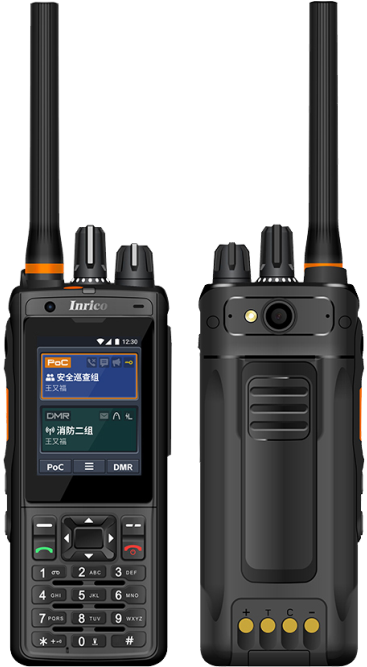
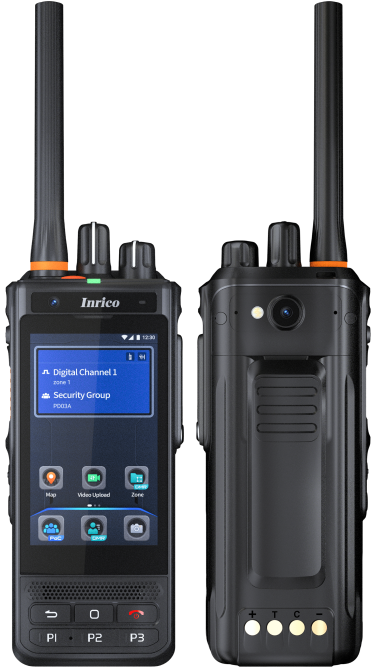
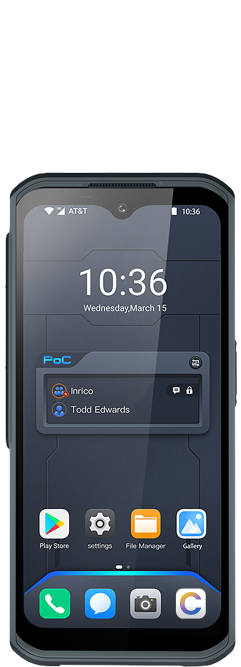
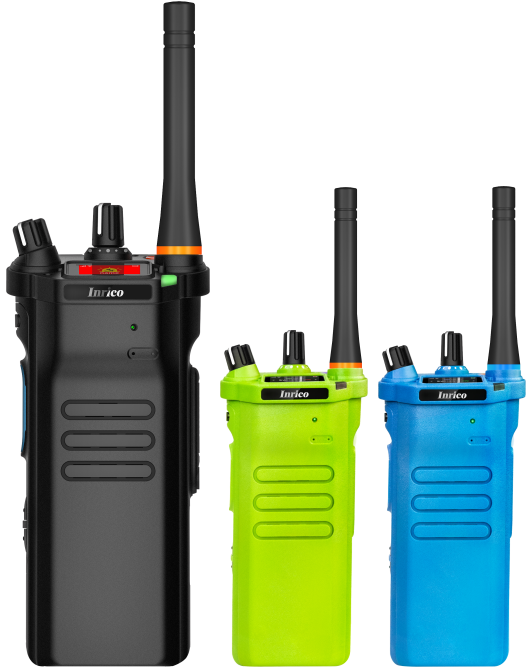
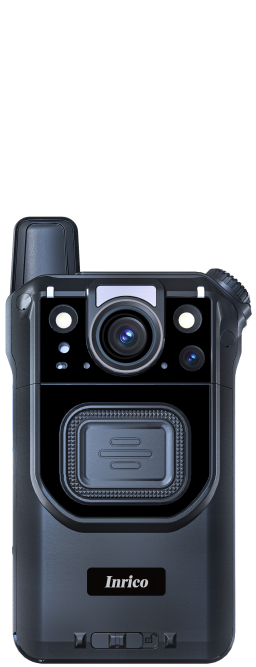
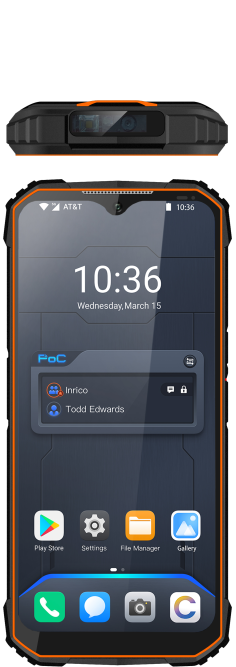
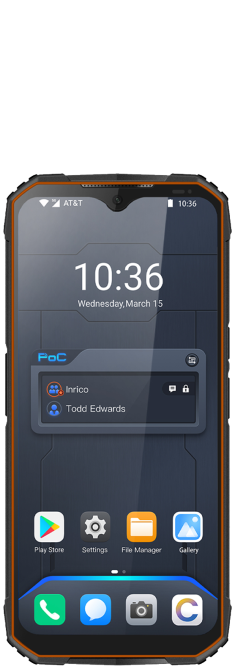
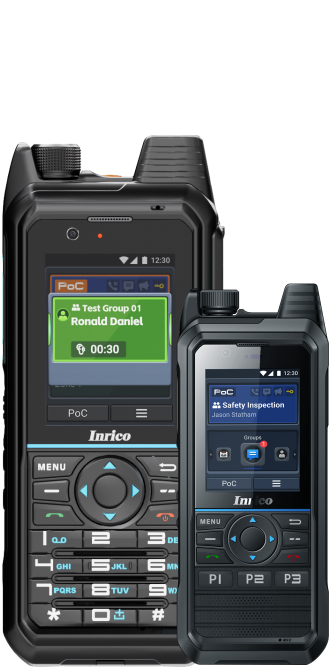

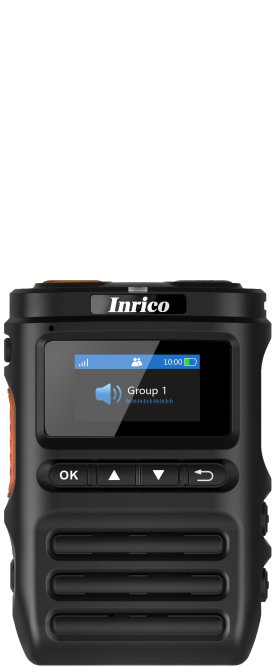
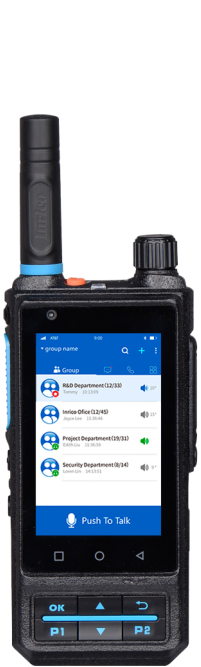

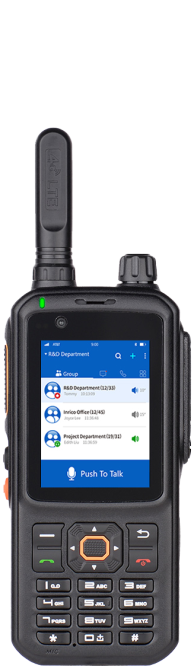
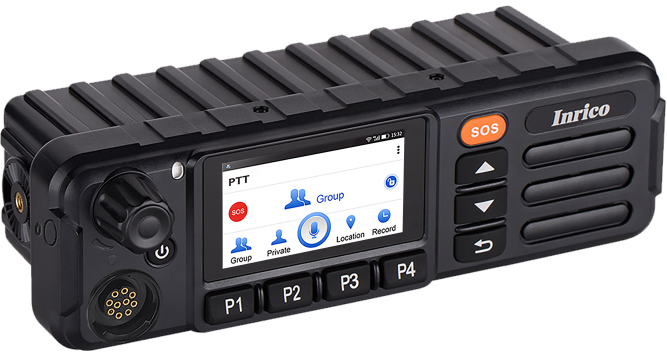
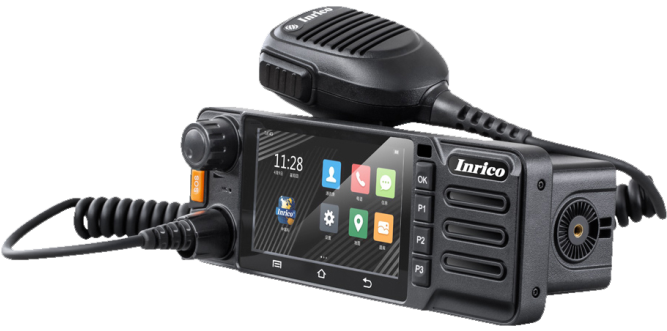
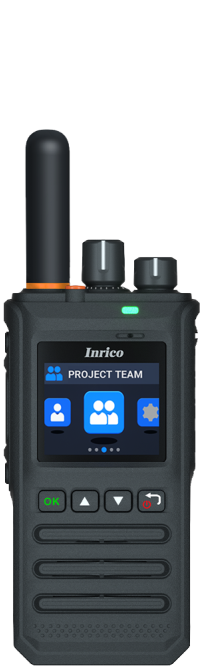
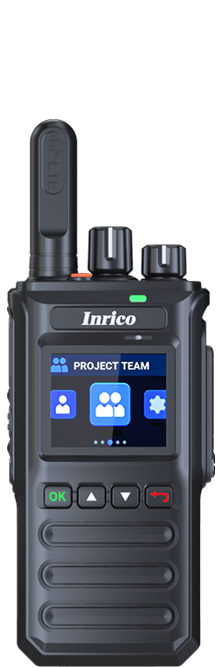



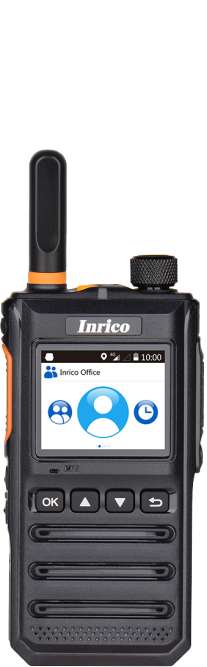
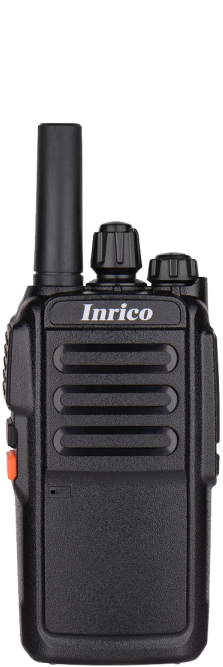

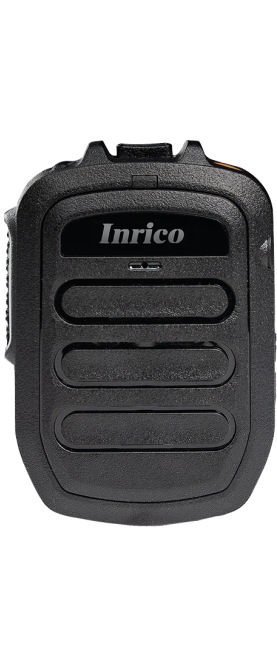
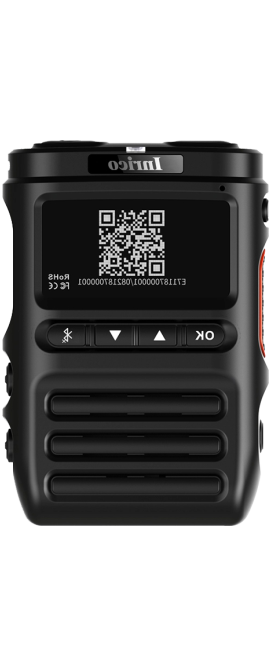
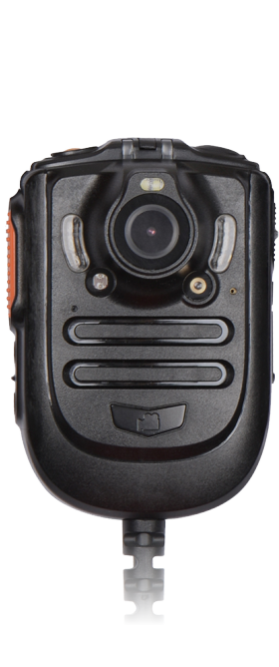
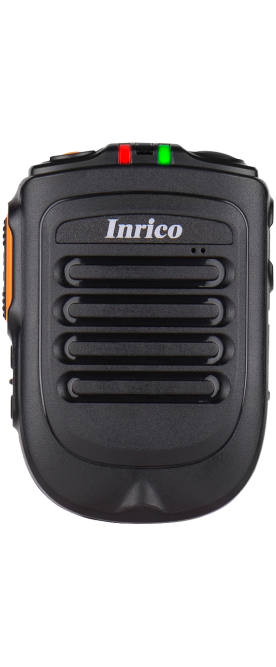






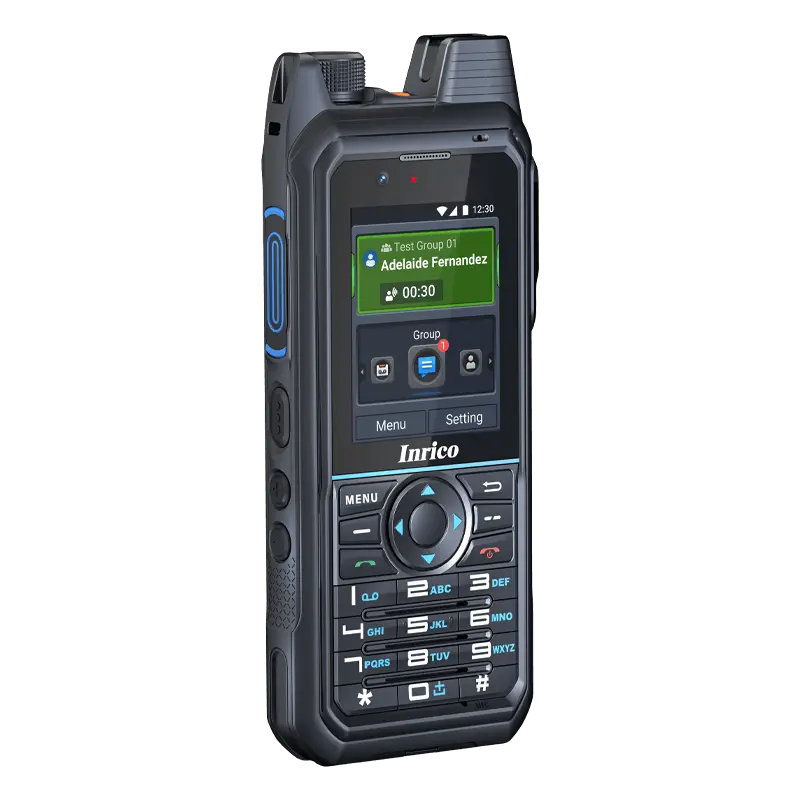
T330&T338
Rugged Smart PoC Radio
More




In today's connected world, understanding the differences between 5G and 4G networks is essential for selecting the right communication solutions. At Inrico, we have seen firsthand how network choices affect Inrico PoC radio and 4G LTE PoC radio performance in various professional settings. While 4G networks have long provided reliable broadband connectivity for logistics, transportation, and utility radio applications, 5G introduces lower latency and higher data throughput, enabling new capabilities for converged radio systems. Despite these advancements, 4G remains widely adopted for environments requiring stable and widespread coverage.
Network Performance and Reliability
The primary distinction between 5G and 4G lies in speed and latency. 4G LTE PoC radio devices, including our Inrico T330&T338, deliver robust connectivity over long distances, making them suitable for airport radio, railway radio, and highway radio operations. Their performance ensures consistent communication, even in areas with challenging terrain or high device density. In contrast, 5G offers ultra-low latency that benefits specialized applications, but coverage can be more limited, particularly in remote or high-rise urban areas. Our system design prioritizes reliability, allowing our Inrico PoC radio to function effectively across critical sectors such as municipal services and medical communications.
Practical Applications in Professional Environments
Our Inrico T330&T338 models feature an independent group knob for instant switching, reinforced with side protection for enhanced impact resistance. This makes them one of the most reliable rugged two-way radios for demanding PoC radio service environments. Industries like logistics, ports, and railways benefit from this design, as it allows personnel to switch channels quickly without disrupting operations. Additionally, converged radio networks in transport hubs and construction sites require equipment that can handle multiple communication protocols, where Inrico PoC radio demonstrates its adaptability.
Integration and Operational Efficiency
Selecting between 4G and 5G for PoC radio systems depends on operational requirements. 4G LTE PoC radio is well-suited for large-scale deployments, offering a balance of speed, coverage, and cost-efficiency. At Inrico, our solutions also integrate seamlessly with utility radio systems and transportation radio networks, ensuring smooth communication in dynamic work environments. With ISO, CE, FCC, and RoHS certifications, our radios meet rigorous standards, providing 7*24h technical support, hardware-software integration, and flexible delivery schedules for customers worldwide, including the Americas, Europe, Asia-Pacific, and the Middle East.
Conclusion: Choosing the Right Network for Reliable Communication
Understanding the differences between 5G and 4G is crucial for organizations relying on mission-critical communications. Our experience shows that Inrico PoC radio and 4G LTE PoC radio offer complementary advantages depending on coverage and latency needs. With rugged designs like the Inrico T330&T338, professionals in airports, railways, highways, and logistics sectors can maintain reliable and efficient communication. By focusing on durability, quick channel switching, and global support, we ensure that our radios remain dependable tools in diverse professional settings.