Where to buy
 Download
 Contact Us
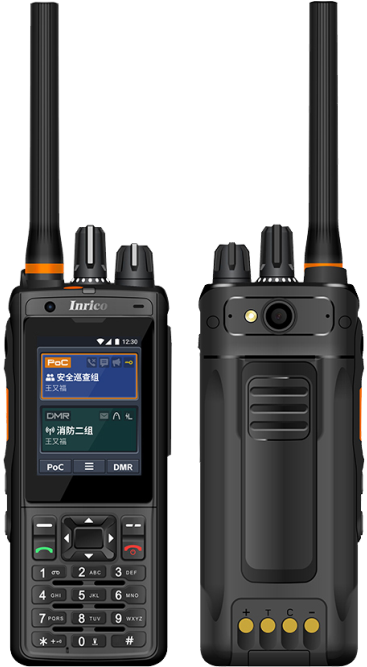
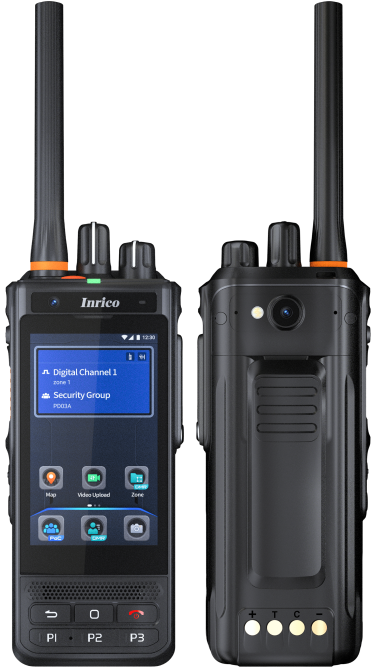
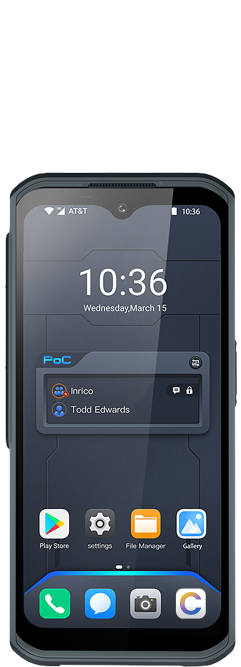
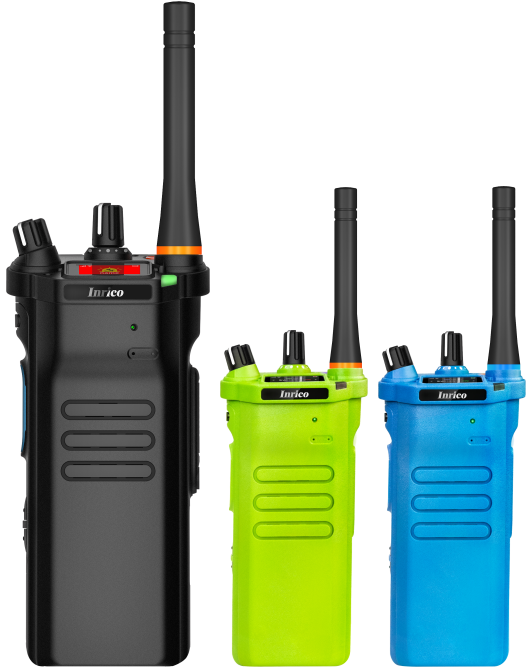
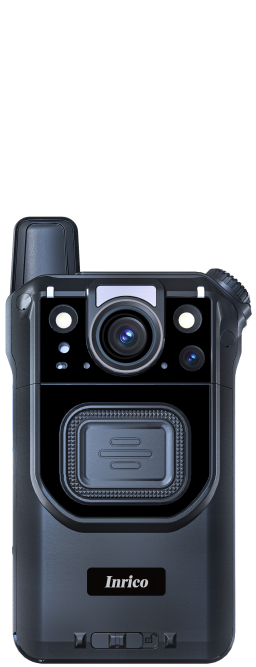
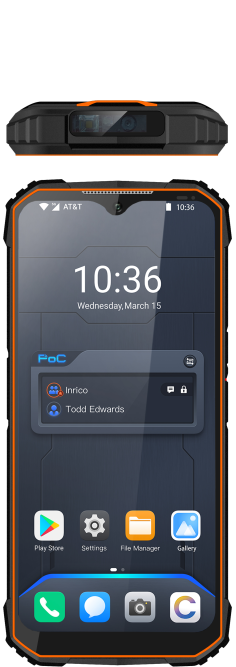
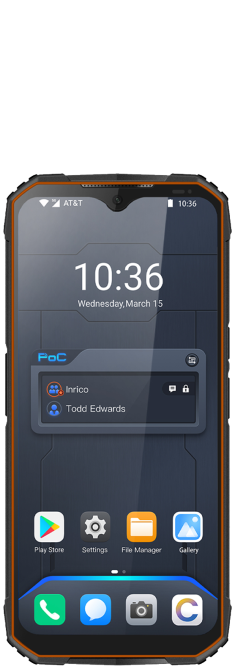
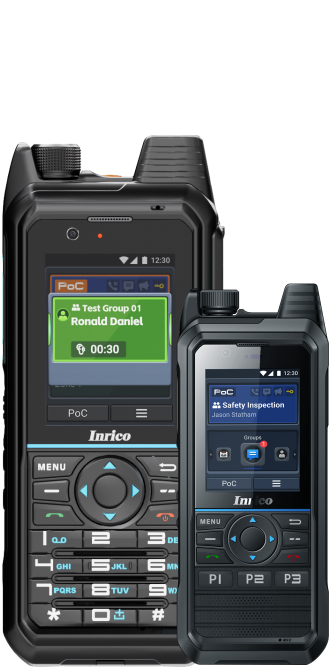


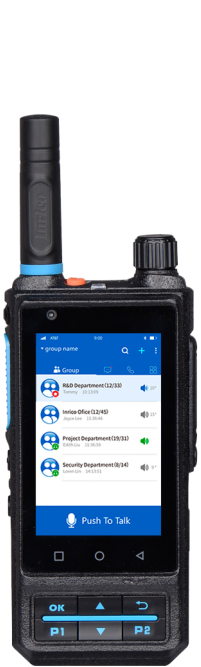

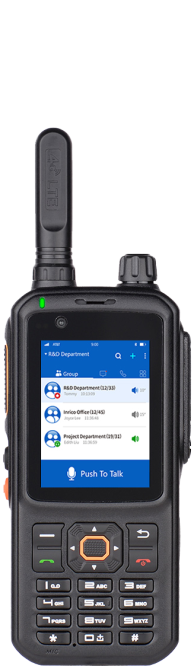
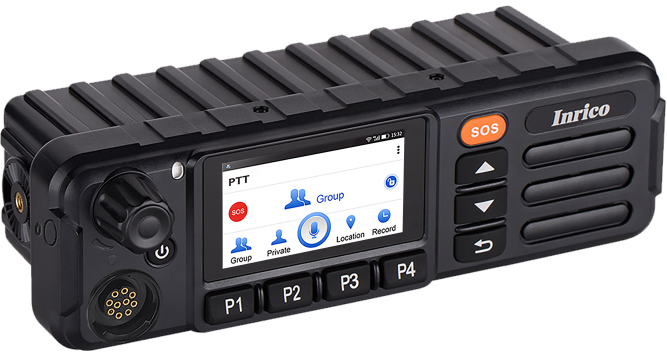
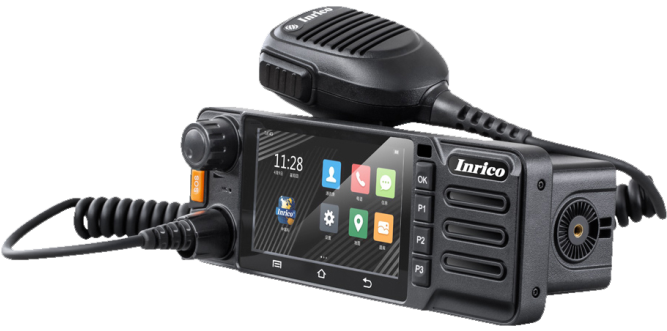
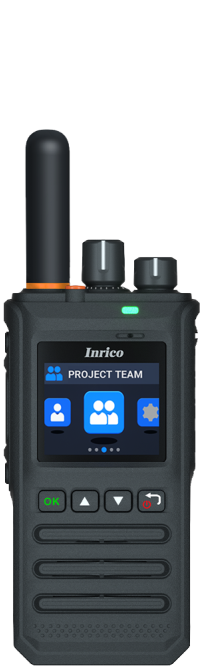
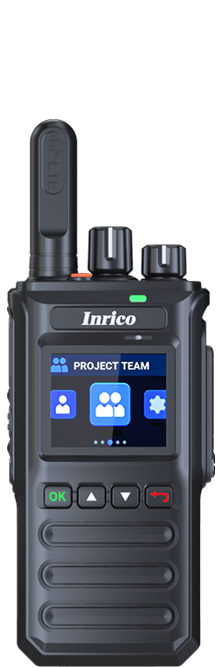



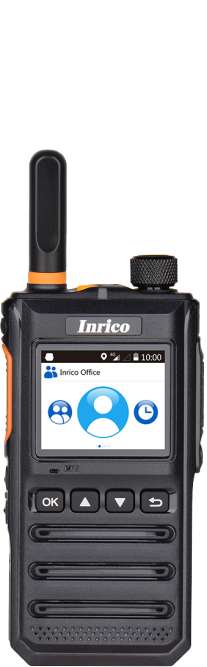
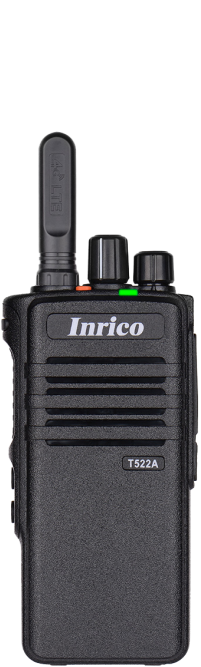
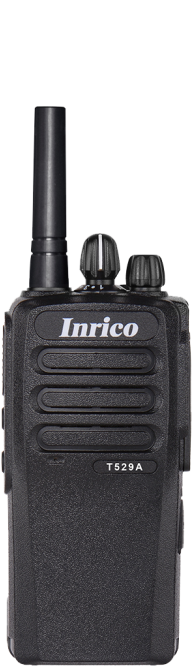
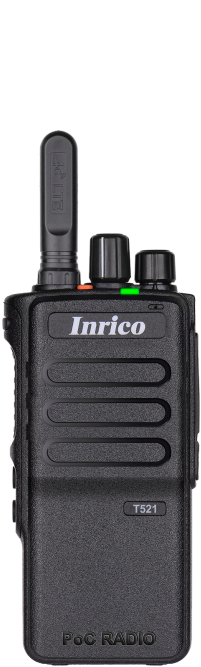
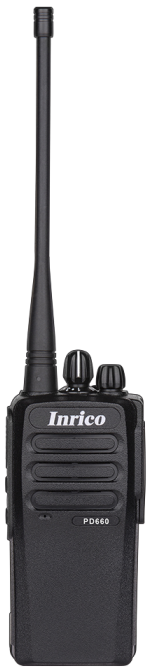
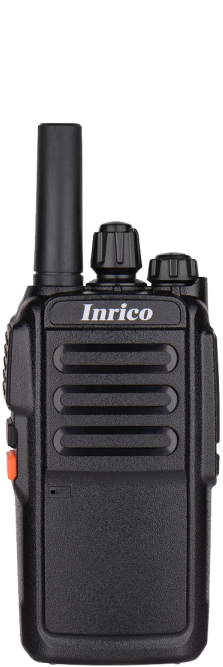







T330&T338
Rugged Smart PoC Radio
More




When it comes to staying connected in a fast-paced world, communication technology plays a key role, and two-way radios have been an essential tool in various industries. As businesses move towards more efficient communication solutions, lightweight two-way radios have become increasingly popular. But one question often arises: do these lightweight radios have channels? We, at Inrico, are here to clarify that for you, while also showcasing how our PoC (Push-to-Talk over Cellular) technology is integrated into our radios to enhance their functionality.

The Role of Channels in Communication Systems
To begin with, let's break down what we mean by channels in the context of two-way radios. A channel is essentially a specific frequency or pathway that a radio uses to transmit or receive signals. This is crucial for maintaining clear and effective communication, as each channel is designed to carry one conversation at a time.
Inrico's lightweight two way radios, such as the T710A, come with multiple frequency bands to ensure that users can stay connected no matter the location. Whether you’re operating within GSM (B2/B3/B5/B8), WCDMA (B1/B2/B5/B8), or LTE (B1/B2/B3/B4/B5/B7/B8/B12/B13/B17/B20/B26/B28a/B28b/B66), our radios offer a wide range of channels for versatile communication. These radios use these frequencies to provide reliable and uninterrupted connections.
PoC Technology and Its Impact on Radio Channels
Now, let's take a closer look at PoC technology and how it changes the game for radio communications. Unlike traditional radio systems, which rely on specific hardware and physical infrastructure, PoC (Push-to-Talk over Cellular) radios use cellular networks to transmit signals. This means users can access channels virtually anywhere, as long as there’s cellular coverage.
Inrico's PoC two-way radios utilize this technology, offering an impressive range of channels across multiple frequencies. This flexibility is one of the reasons we've seen PoC radios, such as the T710A, grow in popularity. The T710A allows for seamless communication, even when traditional radio channels are congested or unavailable, thanks to its PoC integration. With Wi-Fi and Bluetooth connectivity, as well as GPS/GLONASS navigation, it ensures you can always find a reliable connection.
Why Choose Inrico's Lightweight PoC Two-Way Radios
So, why should you consider Inrico's PoC two way radios? Beyond their compact design, which makes them easy to carry and operate, these radios come with features designed to enhance your communication experience. The T710A model, for instance, is equipped with advanced frequency support, including GSM, WCDMA, and LTE bands, making it suitable for use in diverse environments.
The lightweight nature of this device means it won't weigh you down during long shifts or outdoor activities, while its robust connectivity ensures you'll stay in touch with your team. Whether you're navigating complex terrains or working in a busy urban area, the T710A's compatibility with GPS and Wi-Fi helps ensure that you never lose touch.
Conclusion
In conclusion, channels are not just an afterthought in lightweight two-way radios—they are a fundamental part of the device's communication capabilities. By integrating PoC technology into radios like the T710A, Inrico ensures that these radios can operate efficiently across various frequency bands, delivering clear communication even in challenging conditions. With Inrico's radios, you can rely on superior technology, seamless connectivity, and lightweight design for your communication needs. If you're looking for a versatile and efficient solution, we invite you to explore our lineup of PoC radios, including the T710A.